
Understanding Your Newfoundland Puppy’s First Year: A Complete Guide for New Owners
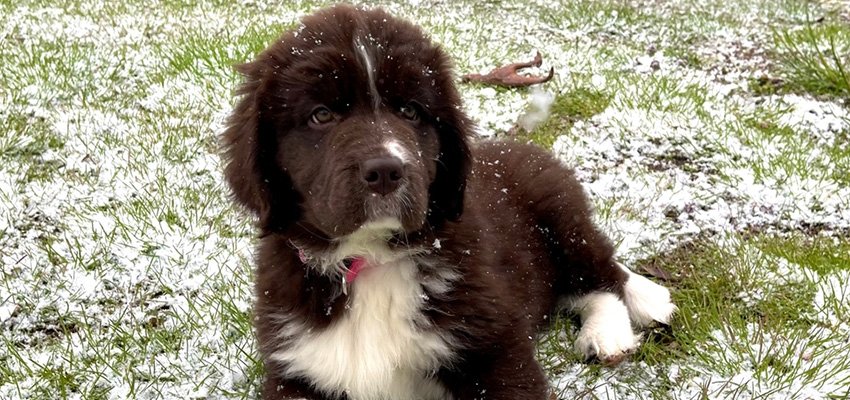
The Foundation of a Healthy Newfoundland Puppy
The first year of a Newfoundland puppy’s life is an extraordinary season of development, bonding, and learning. This is the stage where healthy habits are established and where lifelong patterns begin to form. Owners who understand this early growth period are better equipped to raise a confident Newfoundland who thrives both physically and emotionally. Since Newfoundlands are a giant breed, their growth patterns are significantly different from smaller dogs, and it is essential to support their bodies during this phase. By approaching their development with attentive care and thoughtful planning, you can help your puppy transition smoothly toward adulthood.
Newfoundland puppies are known for their gentle and intuitive temperaments, but even the sweetest puppy needs guidance. Their first year is marked by rapid physical changes that require careful management to support joints, muscles, and bones. Monitoring weight and encouraging slow, steady growth play an important role in preventing orthopedic issues in adulthood. Owners who remain consistent with their care routine set the foundation for a long and healthy life.
Early Socialization and Gentle Confidence Building
Socialization is a vital aspect of Newfoundland puppy development, particularly because these dogs grow to be large, strong, and influential in any household. Introducing a variety of experiences during the first months of life shapes how a puppy interacts with people, other animals, and unfamiliar environments. These introductions should always be calm, controlled, and positive, allowing the puppy to explore at their own pace without pressure. When puppies approach new experiences with curiosity instead of fear, they build the confidence that will define them as steady and reliable adults.
Owners can support this process by allowing puppies to observe new experiences from a safe distance before encouraging more active involvement. This fosters trust and security, qualities that Newfoundlands naturally possess but that must be nurtured thoughtfully. Exposure to common household routines, different surfaces, mild outdoor noises, and gentle handling exercises all contribute to a puppy’s emotional resilience. Consistent reassurance and praise during these experiences teach the puppy that the world is a predictable and rewarding place.
Supporting Proper Growth and Joint Health
Healthy development in Newfoundland puppies depends on maintaining slow and controlled growth. Because this breed is naturally massive, their joints and bones are vulnerable during their youth. Feeding an appropriate large-breed puppy formula is essential, as these foods are designed to regulate calcium and phosphorus levels and encourage steady growth. This allows bones to mineralize properly and lowers the risk of painful joint conditions later in life. Overfeeding or offering unnecessary supplements can disrupt this balance, so it is important to follow a structured feeding routine.
Exercise must also be managed carefully during the first year. While Newfoundland puppies are playful and enjoy exploring, excessive physical activity can stress developing joints. Instead of long walks or vigorous play sessions, shorter and more frequent periods of gentle activity are recommended. Free play on soft surfaces such as grass helps build muscle without placing undue stress on the body. As the puppy grows older and stronger, the intensity of exercise can gradually increase, always keeping their comfort and physical limits in mind.
Veterinary oversight plays an essential role in monitoring growth patterns. Regular checkups and weight assessments ensure that the puppy progresses at a healthy rate. Early awareness of any potential concerns allows owners to make adjustments that support long-term wellness. Taking preventive measures during this early stage can drastically improve the dog’s health and quality of life as they mature.
The Importance of Routine and Structure
Newfoundland puppies thrive when they are raised in a stable and predictable environment. Routine gives structure to their day and helps them understand what is expected of them. Feeding times, potty breaks, training sessions, and bedtime rituals all contribute to a sense of security. When puppies know what will happen next, they tend to relax more easily and adapt more quickly to household life. This sense of consistency supports both behavioral development and emotional well-being.
Owners should introduce routines gradually so the puppy is not overwhelmed. By keeping tasks simple and repeating them consistently, the puppy begins to understand patterns. This makes learning easier and reduces stress for both the puppy and the owner. Newfoundlands are intelligent and eager to please, and they respond well to predictable guidance. As they learn household expectations, they become well-behaved companions who feel confident in their role within the family.
Even small rituals, such as a quiet moment before bedtime or gentle brushing after meals, can enhance bonding. These moments become part of the puppy’s understanding of normal life and reinforce their connection to their people. A structured environment promotes harmony and makes raising a Newfoundland puppy a rewarding and joyful experience.
Mental Stimulation and Emotional Development
Mental stimulation is as important as physical exercise for Newfoundland puppies. These dogs are highly intelligent and benefit greatly from activities that engage their minds. Simple tasks such as exploring new scents, practicing basic obedience cues, or navigating small problem-solving challenges stimulate cognitive development. When puppies learn to think through situations, they grow into more adaptable and balanced adults.
Providing opportunities for gentle mental enrichment supports emotional maturity. This may include allowing the puppy to explore new environments at their own pace or introducing toys that require manipulation and curiosity. The goal is not to overwhelm the puppy but to offer small challenges that encourage initiative and confidence. This type of engagement prevents boredom, reduces undesirable behaviors, and enhances the bond between puppy and owner.
In addition to mental engagement, emotional development requires patience and understanding. Newfoundland puppies may go through brief fear stages or moments of uncertainty as they mature. During these phases, calm reassurance and consistent support help them navigate the world with composure. Owners who guide their puppies through these stages with kindness help shape the steady, dependable temperament for which Newfoundlands are known.
Crate Training, Housebreaking, and Establishing Boundaries
Crate training is an incredibly valuable tool for Newfoundland puppy development. It offers a safe, secure environment where the puppy can rest undisturbed and gradually learn independence. When introduced properly, a crate becomes a comforting space rather than a confinement area. Puppies who feel safe in their crate adapt more easily to travel, veterinary visits, and changes in routine. Crate training also supports housebreaking by teaching the puppy to develop bladder control and to appreciate predictable potty schedules.
Housebreaking is often easier with a structured approach that uses consistency, observation, and positive reinforcement. Puppy owners should guide their dogs to the same outdoor location for potty breaks, allowing scents to reinforce the purpose of the visit. Each successful outing should be followed by calm praise to strengthen the association. Accidents indoors should be managed with patience, as young puppies learn best through repeated gentle guidance rather than correction.
Clear boundaries are also essential during this stage of development. Puppies learn through repetition, and when rules remain consistent, they become part of the puppy’s understanding of acceptable behavior. This includes teaching polite greetings, discouraging jumping, and introducing calm leash manners. Establishing these expectations early prevents unwanted habits from developing and creates a foundation for a well-mannered adult Newfoundland.
Preparing for Adulthood and Lifelong Wellness
The first year of a Newfoundland puppy’s life sets the stage for their adulthood. By focusing on balanced nutrition, appropriate exercise, training, socialization, emotional stability, and veterinary care, owners create an environment that supports healthy development. Newfoundland puppies who receive thoughtful care during this period grow into confident, gentle, and responsive companions.
As the puppy approaches maturity, their needs gradually shift. Growth slows, physical activity can increase, and training becomes more refined. The habits created during puppyhood will now shape how the dog behaves for the rest of its life. Owners who have been consistent in their approach will appreciate the reward of a well-adjusted Newfoundland who understands their role within the family and interacts with the world calmly and confidently.
The bond formed during the first year lasts a lifetime. Newfoundlands are affectionate, intuitive, and devoted dogs who flourish in relationships grounded in trust. A thoughtful approach to their earliest stages of development ensures that they have everything they need to become exceptional adults.
