Training and Socialization for Your Newfoundland Puppy: Building Confidence, Manners, and Lifelong Stability
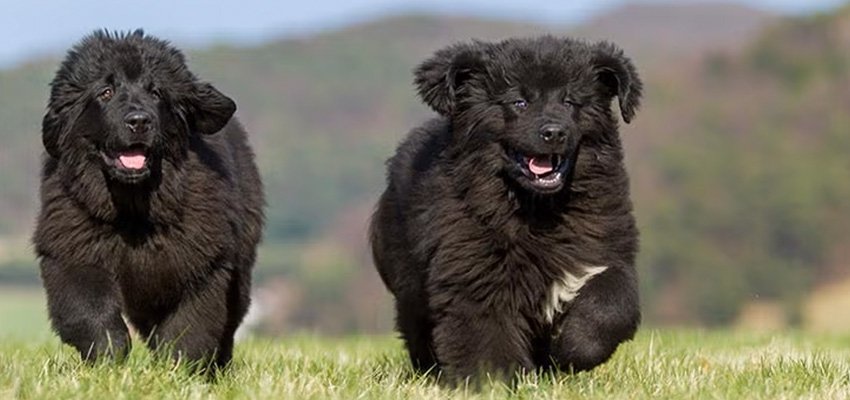
Training and socialization form the foundation of a well-rounded, confident, and emotionally stable Newfoundland. This remarkable breed is known for its gentle spirit, steady disposition, and deep affection for family, but these natural qualities flourish only when properly nurtured during the first months of life. Early guidance in training and structured socialization ensures your Newfoundland grows into a calm, polite, and trustworthy adult who is comfortable both at home and in public settings. At Creek’s Edge Newfoundlands, we prioritize early development because we know that the habits formed during puppyhood shape a lifetime of behavior. This article provides a comprehensive guide to training and socialization practices designed specifically for Newfoundland puppies and tailored for new families who want to raise a dog that embodies the very best qualities of the breed.
Although Newfoundlands are known for their intelligence and eagerness to please, their sensitive nature requires an approach to training that is gentle, patient, and consistent. This breed responds best to positive reinforcement and calm leadership rather than harsh corrections or physical pressure. By fostering cooperation instead of compliance through fear, owners build trust and establish a lasting bond built on mutual respect. When training aligns with a Newfie’s temperament, learning becomes enjoyable and deeply meaningful, reinforcing good habits that carry forward into adulthood.
Socialization works hand-in-hand with training to shape your puppy’s personality and comfort level. Introducing new sights, sounds, people, and environments expands your puppy’s world and reduces the likelihood of fear-based behaviors later in life. Because Newfoundlands can be naturally reserved or cautious, thoughtful socialization encourages emotional resilience while allowing their gentle, curious nature to shine. This article examines early training foundations, advanced socialization strategies, confidence building, home environment structure, and long-term behavioral development to help you raise a balanced, confident, and exceptionally well-mannered Newfoundland.
Laying the Foundation: Early Obedience and Communication
The foundation of all later training begins the moment your puppy comes home. Puppies at 8 to 10 weeks are fully capable of learning simple behaviors through short, positive training sessions that enhance communication between owner and dog. At this stage, the most important skill is helping your puppy understand what you expect and how to earn praise and rewards. Teaching commands such as sit, down, come, wait, and leave-it builds a basic vocabulary that sets the stage for more advanced skills later. These early commands are not about creating strict obedience but establishing a shared language that helps the puppy understand how to interact appropriately with the world.
Newfoundlands thrive on calm, consistent communication. Because they are so attuned to human emotion, they respond quickly to encouraging tones and lose confidence under harsh corrections. Owners should speak clearly, use structured verbal cues, and reward cooperation immediately. A treat, soft praise, or gentle affection reinforces the behavior and strengthens the bond between puppy and handler. These early sessions also help your puppy develop focus, which becomes especially important as they grow larger and more powerful.
Building focus and engagement requires patience and timing, but it pays dividends for the lifetime of the dog. When your puppy understands that paying attention to you results in good things, cooperation becomes natural rather than forced. This is particularly important during adolescence, when many young Newfoundlands experience bursts of independence and curiosity. Solid foundations established early help prevent stubbornness and ensure your dog remains responsive even during developmental changes. Early training also sets the tone for the respectful, trusting relationship that mature Newfoundland adults are known for.
The Importance of Positive Reinforcement Training
Positive reinforcement plays a central role in Newfoundland training because it aligns with the breed’s temperament. This gentle giant thrives under encouragement rather than correction, and learning becomes far more effective when the puppy associates training with enjoyable experiences. Positive reinforcement includes food rewards, verbal praise, petting, or access to a favorite toy, depending on what motivates your puppy most. Reinforcement not only teaches the puppy which behaviors are desirable but also strengthens the emotional bond between owner and dog.
Correct timing is essential for effective reinforcement. A reward delivered at the right moment helps the puppy understand exactly which behavior is being acknowledged. This clarity creates confidence and reduces confusion, making the puppy more eager to learn and try new behaviors. In contrast, delayed rewards or inconsistent responses can make training difficult because the puppy may not understand what is expected. Owners should remain mindful of their cues, timing, and tone to create a positive and predictable learning environment.
Another benefit of positive reinforcement training is that it encourages problem-solving and independent thinking. Newfoundlands are intelligent, observant dogs that appreciate opportunities to use their minds. When they understand training as a rewarding challenge, they become enthusiastic participants rather than reluctant students. Over time, positive reinforcement produces a Newfoundland who is not only obedient but genuinely enjoys working with their owner. This mutual enjoyment elevates training from a routine task to a bonding experience that deepens the relationship.
Structured Socialization: Introducing the World Safely and Confidently
Socialization is one of the most crucial responsibilities of any Newfoundland owner, especially during the critical window between 8 and 16 weeks of age. This is when puppies form impressions about what is safe, enjoyable, or frightening. The experiences you provide during this stage influence your puppy’s confidence level for life. Thoughtful, structured socialization teaches your Newfoundland to approach the world with curiosity rather than fear and ensures they remain calm and steady in new environments.
Quality socialization emphasizes controlled, positive experiences rather than overwhelming exposure. Introducing your puppy to friendly adults, calm children, and well-mannered dogs helps them develop social skills in a safe and predictable way. Visiting pet-friendly stores, parks, sidewalks, and public spaces exposes your puppy to varied sights and sounds. These activities build resilience and help your Newfoundland adapt comfortably to the world beyond your home. Each new experience should be paired with calm encouragement and the opportunity to retreat if your puppy feels uncertain.
Newfoundlands can be naturally cautious or reserved, and proper socialization helps prevent shyness or anxiety from developing as they mature. Puppies who are isolated or under-socialized may grow into adults who are fearful, reactive, or uncomfortable in public environments. Socialization counters these risks by teaching the puppy how to navigate unfamiliar situations with confidence. By building a wide bank of positive experiences, you help your Newfoundland grow into the steady, reliable companion the breed is famous for.
Building Confidence Through Controlled Exposure
Confidence-building is a core part of training and socialization because it helps your puppy learn to cope with stress and adapt to change. Controlled exposure involves introducing your puppy to moderate challenges in a way that encourages curiosity while preventing overwhelm. These experiences may include walking on new surfaces, hearing unfamiliar sounds, adjusting to car rides, or navigating mildly busy environments. When introduced gradually, these exposures teach your puppy that novel experiences are safe and manageable.
Owners should pay attention to the puppy’s body language during exposure exercises. Confident exploration, relaxed posture, and wagging tails indicate comfort, while cowering, trembling, or avoidance signal that the puppy needs encouragement or a slower pace. Supporting your puppy during moments of uncertainty helps build trust and strengthens emotional stability. Remaining calm and offering reassurance communicates that the environment is safe, and your presence provides comfort.
Repeated positive exposures create lasting emotional resilience. As your Newfoundland matures, these confidence-building experiences ensure they interact with people and environments with poise and stability. Confident dogs are less likely to react fearfully in unfamiliar circumstances and more likely to behave predictably around strangers and other animals. This stability is essential for such a large breed, because a confident Newfoundland is not only easier to manage but also more enjoyable to bring into social and public settings.
Household Training: Establishing Boundaries and Good Habits
Household training lays the foundation for a peaceful and well-managed home environment. Because Newfoundlands grow quickly and become very large, it is essential to establish boundaries and good habits early. Teaching your puppy where to rest, how to behave around furniture, and how to interact gently with family members helps prevent unwanted behaviors from becoming ingrained. Early boundaries also create structure, which helps your puppy understand their place within the household and reduces confusion about expectations.
Teaching calm behavior inside the home is especially important. Newfoundland puppies can be playful and energetic, but they must learn how to settle and relax. Encouraging quiet time, rewarding calm behavior, and providing comfortable resting areas all help your puppy develop good indoor manners. This foundation becomes invaluable as your puppy grows into a full-sized adult with a large presence. A well-trained Newfoundland is capable of being gentle indoors and understands the difference between playtime and quiet time.
Impulse control exercises are also an important part of household training. Teaching your puppy to wait at doorways, sit calmly before meals, and avoid jumping on people reinforces self-control and reduces excitement-driven behavior. These small lessons build discipline, support safety, and create a home environment that is harmonious and predictable. They also help prepare your Newfoundland for more advanced training later in life.
Leash Training and Public Manners
Leash training is essential for every Newfoundland because of their size and strength. Teaching your puppy to walk politely on a leash prevents pulling, lunging, or wandering, and ensures safe and enjoyable outings. Puppies should learn that staying near your side is rewarding and that tension on the leash results in stopping or redirecting rather than forward progress. Gentle redirection and positive reinforcement help teach your puppy how to move in sync with you rather than against you.
Public manners go beyond leash walking and include greeting people politely, behaving calmly in stimulating environments, and resisting the urge to jump or pull toward distractions. These behaviors require practice in real-world settings. Taking your puppy to veterans’ parks, sidewalks, pet-friendly stores, and outdoor events offers opportunities to build these skills. Teaching your Newfoundland to sit before greeting someone and to remain calm around other dogs helps create a predictable and respectful companion.
Mastering public manners ensures your Newfoundland is welcome wherever you go. Because of their size, Newfoundlands draw attention in public, and good manners enhance their reputation as gentle giants. Well-trained Newfoundlands are admired for their poise, friendliness, and soft approach to social interactions. With consistent training, your dog can become an ambassador of the breed, exemplifying the gentle temperament Newfoundlands are known for.
Long-Term Behavioral Development and Maturity
Behavioral development continues long after puppyhood, and Newfoundland owners should be aware of the changes that occur during adolescence and adulthood. Adolescence can bring temporary stubbornness or energetic bursts, even in well-trained puppies. Remaining calm and consistent during this stage is essential for maintaining good habits. Reinforcing foundational commands and avoiding the temptation to relax expectations helps your Newfoundland transition smoothly into adulthood.
Adult behavior is shaped by the experiences and training provided during the first two years of life. Newfoundlands who have been well-socialized, consistently trained, and given opportunities to build confidence typically become exceptionally reliable companions. Their gentle nature deepens with maturity, and they develop a calm, steady presence that brings comfort to the home. Continued training keeps their minds active and prevents boredom, while ongoing socialization ensures they remain adaptable to change.
Newfoundlands thrive when they feel included in family life. Involving your dog in daily routines, social activities, and family experiences strengthens the bond and reinforces their natural desire to be close to their humans. With proper guidance, a Newfoundland becomes not only a well-behaved pet but a cherished member of the family whose companionship enriches every aspect of life.
Creating a Lifetime of Trust, Cooperation, and Companionship
Training and socialization are not isolated tasks but ongoing processes that support your Newfoundland’s emotional and behavioral well-being throughout life. By approaching these responsibilities with patience and intentionality, you build a foundation of trust that shapes your puppy into a confident, stable, and loving adult. The investment you make in early training enhances safety, strengthens the bond, and ensures your Newfoundland develops into the gentle, reliable giant the breed is celebrated for.
Each training session, each new social experience, and each moment of positive reinforcement brings you closer to the loyal companion your Newfoundland will become. These early efforts pave the way for a lifetime of companionship defined by mutual respect, affection, and communication. The result is a dog who not only behaves beautifully but enriches your daily life with calmness, devotion, and a steadfast heart.
