Building a Lifelong Bond: The Role of Companionship in Raising a Newfoundland Puppy
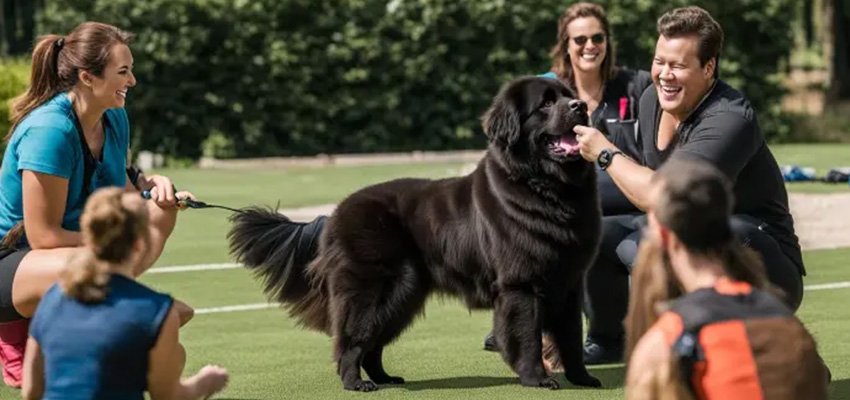
Understanding the Newfoundland’s Need for Connection
Newfoundlands are renowned for their gentle temperament, loyal nature, and deep emotional sensitivity. From the moment a Newfoundland puppy arrives in their new home, they begin forming attachments that will shape how they interact with their family for the rest of their life. These dogs bond intensely with their people and thrive when they feel included in daily life. Understanding this need for connection is essential for fostering a healthy relationship with your Newfoundland puppy and helping them feel secure in their new environment.
A Newfoundland puppy’s first weeks at home establish the foundation for how they relate to their family. When owners offer comfort, affection, and consistent involvement, the puppy begins to understand that they are safe and wanted. This reassurance allows them to settle more easily and reduces the anxiety that can come with new experiences. Because Newfoundlands are naturally intuitive and emotionally responsive, they quickly learn to interpret the moods and routines of the people around them.
These early emotional bonds become the framework for a lasting relationship built on trust. A Newfoundland who feels loved and connected grows into an adult who is calm, attentive, and eager to please. Owners who prioritize companionship during this stage create a harmonious environment where both puppy and family members benefit from a mutually rewarding connection.
Daily Interaction and the Power of Presence
One of the most impactful ways to support companionship with a Newfoundland puppy is through simple daily presence. These dogs do not require constant physical interaction but thrive when they can be near their people. Sitting together in a quiet room, working in the yard while the puppy rests nearby, or inviting them to relax at your feet during a movie night all reinforce the bond. The puppy learns that being close to their family is a normal and comforting part of life.
This daily presence helps the puppy develop emotional stability. Newfoundlands can be sensitive, and they look to their owners for reassurance during times of uncertainty. Being present allows you to guide them gently through new experiences and help them feel grounded. Your quiet companionship teaches them that they are not alone and that their family is a reliable source of comfort and direction.
Engaging with your Newfoundland puppy through small moments throughout the day is just as valuable as longer play sessions. Even short interactions, such as talking to your puppy while preparing a meal or pausing to offer a gentle stroke, reinforce your relationship. These small gestures accumulate into a significant emotional bond that shapes the puppy’s understanding of family life.
Developing Strong Social Skills Through Positive Exposure
Companionship and socialization go hand in hand when raising a Newfoundland puppy. A well-socialized dog is more confident, relaxed, and capable of forming healthy relationships with people and animals. Socialization should begin early and be approached with patience and intentionality. Gradual exposure to new environments, people, and mild noises helps the puppy build a broad foundation of experiences that feel safe and positive.
Introducing a Newfoundland puppy to different people teaches them how to interact politely and calmly. Many people are drawn to Newfoundlands due to their size and gentle demeanor, and early exposure helps the puppy feel comfortable with this attention. Allowing them to meet new individuals in controlled circumstances promotes confidence and teaches appropriate social behavior. These experiences help the puppy learn that new interactions are enjoyable rather than intimidating.
Exposure to other animals is also beneficial for emotional development. Meeting calm, friendly dogs or observing cats from a safe distance can help the puppy understand appropriate social signals. Over time, these interactions help reduce reactivity and support good manners. Owners who guide their Newfoundland puppies through these experiences gently and positively contribute to shaping a dog who is adaptable, gracious, and well-mannered.
Encouraging Calm Behavior Through Consistent Routines
Routine plays a significant role in supporting companionship and socialization. Newfoundlands thrive on structure, and predictable routines help them feel secure. Daily schedules that include feeding times, training sessions, relaxation periods, and opportunities for gentle play create a sense of order that benefits the puppy emotionally. This predictability reinforces trust and strengthens the bond between the puppy and their family.
Calm behavior is easier to encourage when puppies know what to expect from the world around them. Routine helps reduce stress because it eliminates uncertainty. The puppy learns to understand when it is time to rest, when it is time to play, and when it is time to explore. These boundaries help them regulate their energy and develop self-control, which are essential traits for a giant breed.
Consistency in daily interactions also supports good manners. Simple routines such as waiting patiently before being fed, responding to their name, or walking calmly through doorways become opportunities for reinforcing positive behavior. Over time, these moments become ingrained habits that contribute to a calm, well-adjusted Newfoundland who is a pleasure to have in the home.
Building Emotional Intelligence Through Gentle Guidance
Newfoundlands are highly intelligent dogs with remarkable emotional awareness. They respond deeply to their environment and the people around them. When raising a Newfoundland puppy, it is important to guide them with understanding and patience. Harsh corrections or overly firm discipline can damage the trust that is essential for companionship. Instead, puppies flourish when they are taught through positive reinforcement, gentle redirection, and encouragement.
Emotional intelligence develops through repeated experiences that help the puppy understand how to respond to different situations. For example, when a puppy becomes overly excited, guiding them into a calm behavior teaches self-regulation. When they feel uncertain or nervous, providing reassurance helps them understand that the world is safe. These gentle lessons build a strong emotional foundation that carries into adulthood.
Owners can also support emotional intelligence by encouraging curiosity. Allowing the puppy to explore at their own pace and praising their bravery reinforces their confidence. Over time, the puppy learns to assess new situations thoughtfully rather than react impulsively. This emotional maturity makes Newfoundlands wonderful companions who show empathy, patience, and attentiveness in their interactions with people.
Family Integration and Strengthening the Human–Dog Bond
A Newfoundland puppy becomes an integral part of the family from the moment they arrive. Including them in everyday activities helps strengthen the bond between puppy and family members. Whether participating in morning routines, joining short car rides, or simply relaxing in shared spaces, involvement in family life teaches the puppy that they are a valued member of the household.
Children can play an important role in companionship development when interactions are supervised and guided. Newfoundlands are known for their gentleness with kids, and early positive experiences help reinforce this trait. Teaching children how to interact respectfully with a puppy promotes harmony and mutual understanding. These early moments create lasting memories and help the puppy develop trust in people of all ages.
Family integration also means creating opportunities for shared enjoyment. Quiet snuggle time, gentle play, and relaxed family walks help the puppy feel connected. These experiences build the bond that makes Newfoundlands such beloved family companions. A puppy who grows up feeling included in family life matures into an adult who is deeply loyal and devoted.
Confidence Building Through Safe Exploration
Exploration is a crucial part of socialization and companionship. A Newfoundland puppy needs opportunities to explore safely under the watchful eye of their owner. Exploring new environments such as the backyard, a quiet park, or a gently stimulating indoor play area helps the puppy build confidence. These experiences teach them to navigate the world calmly and without fear.
Owners can support healthy exploration by allowing the puppy to lead within safe boundaries. This freedom to investigate sights, sounds, and smells encourages cognitive development and independence. When puppies are allowed to explore without pressure, they learn to assess and adapt to new experiences. This contributes to their growing emotional resilience and helps prevent anxiety.
Safe exploration also strengthens the bond between puppy and owner. When the puppy encounters something unfamiliar and looks to their owner for guidance, the moment becomes an opportunity for connection. Responding with calm confidence reassures the puppy and enhances their trust. These shared experiences reinforce the companionship that defines the Newfoundland breed.
Preventing Overdependence While Nurturing Attachment
While Newfoundlands thrive on companionship, it is important to prevent overdependence. Puppies who become overly attached may struggle with independence, leading to separation anxiety. Balancing affection with healthy boundaries helps puppies develop the confidence they need to navigate time alone. This balance promotes emotional well-being and prevents difficulties later in life.
Creating short periods of independence throughout the day teaches the puppy that they can relax even when their family members are not within sight. Gradually increasing these intervals helps the puppy adjust to being alone without stress. Providing a comfortable space such as a crate or quiet corner reinforces their sense of security. Over time, the puppy learns that separation is temporary and nothing to fear.
Owners can further support this independence by maintaining calm departures and returns. Avoiding excessive excitement during these moments helps normalize the experience and prevents anxiety. This balanced approach allows the puppy to enjoy companionship while also developing emotional stability. When attachment and independence are both nurtured, the result is a well-rounded adult Newfoundland.
Creating a Socially Mature and Emotionally Balanced Adult
Companionship and socialization during puppyhood create the foundation for a thriving adult Newfoundland. These early experiences shape the dog’s temperament and ability to form healthy relationships with people and animals. By investing time, patience, and affection into a puppy’s development, owners help them become calm, confident, and trustworthy members of the family.
A socially mature Newfoundland demonstrates composure even in unfamiliar situations. They are patient with children, gentle with strangers, and adaptable to changes in routine. These traits do not appear by accident but are the result of consistent guidance, positive exposure, and strong companionship during the early months of life. Owners who are intentional in these areas enjoy the reward of a dog who embodies the best qualities of the breed.
Emotional balance is another outcome of early companionship. Newfoundland puppies who are raised with love, structure, and encouragement develop a strong sense of security. This inner confidence leads to better behavior, stronger relationships, and a calmer household environment. The devotion that Newfoundlands show to their families is the natural result of the companionship they experience during puppyhood.
Deepening the Bond Throughout Your Newfoundland’s Life
Companionship does not end after puppyhood. As your Newfoundland grows, the bond you formed during their early months continues to deepen. Spending time together, participating in family life, and maintaining consistent routines reinforce your connection. Adult Newfoundlands cherish this closeness and continue to thrive when they feel included and valued.
Owners can strengthen this lifelong bond through shared experiences such as leisurely walks, relaxing grooming sessions, and quiet moments of affection. These interactions continue to build trust and mutual understanding. Even as they grow into their impressive size, Newfoundlands remain gentle at heart and appreciate emotional closeness with their family.
Maintaining companionship throughout adulthood supports overall well-being. Dogs who feel connected are more content, more responsive, and more emotionally stable. By continuing to prioritize companionship as your Newfoundland matures, you foster a lifetime of mutual devotion. The result is a relationship that is as fulfilling for the owner as it is for the dog.
