
Nurturing Your Newfoundland Puppy: A Complete Guide to Early Care and Development
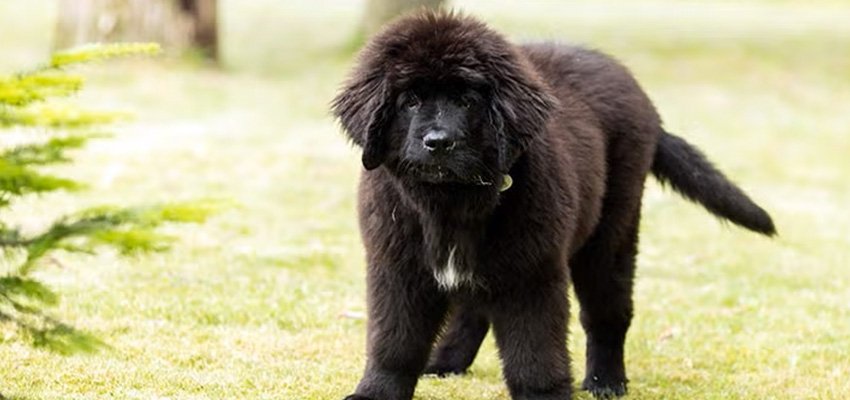
Raising a Newfoundland puppy is one of the most rewarding experiences a family can have, because these gentle giants grow into affectionate, intelligent, and deeply loyal companions. The foundation you provide during the earliest weeks and months will shape your Newfie’s temperament, health, confidence, and overall quality of life. At Creek’s Edge Newfoundlands, we take pride not only in producing exceptional puppies, but also in guiding new families through every step of the developmental journey. This article explores essential care principles that support physical growth, mental enrichment, and lifelong well-being.
Bringing a Newfoundland puppy into your home is an opportunity to influence the development of a future adult dog who will stand tall, behave politely, and interact with people and other animals with an unmistakable combination of courage and tenderness. Consistent care in the beginning makes this possible. The key is approaching puppy care with intention, patience, and an understanding of the unique qualities that define the breed. The goal is not only raising a well-mannered dog, but also forming a bond that deepens with every stage of life.
Below you will find an in-depth guide designed to help you understand your puppy’s developmental needs, build a structured routine, and create an environment where your Newfoundland can thrive. Every section is crafted to support Creek’s Edge puppy owners and to reflect the same high standards we use in our own breeding and early training practices.
Understanding the Early Development Stages
A Newfoundland’s early developmental timeline includes several distinct phases, each with unique milestones and care requirements. Understanding these stages allows owners to anticipate changes, introduce appropriate experiences, and support healthy emotional and physical development. The newborn stage is primarily influenced by the breeder, but by the time your puppy arrives home, they are entering the critical socialization window. This period, lasting roughly from 8 to 16 weeks, is when puppies are most receptive to learning about the world and forming opinions that will last into adulthood.
During the socialization stage, your puppy will explore new environments, encounter different people, and become aware of household routines. This is also when basic training foundations begin to take root. Newfoundlands generally respond well to gentle structure, positive reinforcement, and clear communication. They are a sensitive breed, and harsh corrections can undermine their confidence or cause unnecessary stress. The tone of early interactions sets the stage for a trusting relationship, and consistent expectations help your puppy feel safe and secure.
As your Newfoundland enters adolescence, you may notice sudden bursts of energy, occasional stubbornness, and exploratory behaviors that resemble teenage independence. This phase is temporary but important, because it tests the training foundations built earlier. Your role during adolescence is to remain consistent, patient, and proactive about reinforcing good habits. With appropriate guidance, your puppy emerges from adolescence as a calm, attentive, and cooperative young adult.
Building a Healthy Routine at Home
Establishing a daily routine provides predictability and structure, which is essential for any young puppy and particularly helpful for a large, intelligent breed like the Newfoundland. Routines reduce stress, encourage good behavior, and make house training significantly smoother. Consistency helps your puppy anticipate meals, bathroom breaks, playtime, rest time, and nighttime expectations. The more reliable the schedule, the more confident and relaxed your puppy will become.
A well-designed routine includes regular feeding times, predictable sleep and nap periods, meaningful social interactions, and appropriate opportunities for training. Newfoundland puppies require a balance of active engagement and plenty of rest, because their bodies are growing rapidly. While they may appear energetic for short bursts, they tire quickly and benefit from quiet recovery periods. Owners should observe their puppy’s natural rhythms and incorporate both stimulation and calm into the daily structure.
Over time, your puppy will begin to understand what each part of the day means. Morning outings become associated with bathroom breaks and outdoor sniffing time, while evenings develop into a predictable pattern of winding down, gentle affection, and bedtime rituals. Such routines foster emotional stability and reinforce trust between you and your puppy. They also lay the foundation for a household rhythm that is both enjoyable and manageable for the entire family.
Supporting Physical Growth and Preventing Joint Stress
Newfoundland puppies grow at an astonishing rate, and while their size is impressive, their developing bones, joints, and ligaments are surprisingly delicate. Responsible owners must take steps to minimize stress on the musculoskeletal system during the first two years of life. Although Newfies are naturally strong and athletic, improper exercise can increase the risk of joint conditions, including hip and elbow dysplasia. Proper management during growth ensures your puppy matures into a structurally sound adult.
Appropriate exercise for a Newfoundland puppy centers around controlled movement rather than repetitive impact. Short, calm walks, free play on soft surfaces, and gentle exploration are ideal. Activities such as running on pavement, climbing stairs excessively, or jumping from furniture should be avoided. These actions put unnecessary strain on growing joints and can lead to complications that may not appear until adulthood. Owners should focus on low-impact movement that allows the puppy to build muscle gradually and develop good coordination.
Nutrition also plays a pivotal role in skeletal development. A high-quality large-breed puppy formula helps regulate controlled growth and supports joint integrity. Overfeeding or supplementing with unvetted vitamins can disrupt developmental balance and may even accelerate growth in an unhealthy way. The most effective approach is choosing a reputable food, monitoring body condition carefully, and working closely with your veterinarian to ensure your puppy remains lean and well-conditioned throughout the first 24 months.
House Training and Early Manners
House training is one of the earliest responsibilities new owners face, and Newfoundland puppies tend to learn quickly when given structure and clear expectations. Their cooperative nature makes house training rewarding, but consistency is essential for success. Establishing a frequent potty schedule allows your puppy to associate specific times with outdoor bathroom opportunities. Praise and positive reinforcement help the puppy understand when they have made the correct choice.
While house training, supervision is crucial because puppies should never be expected to manage house behavior without guidance. Using crates strategically can help create a sense of security while preventing accidents, because puppies naturally avoid soiling their sleeping area. Early crate training also has long-term benefits, including facilitating safe travel, providing a designated quiet space, and supporting calm behavior as the puppy grows into adulthood. Many Newfoundlands come to appreciate the crate as a personal retreat.
Basic manners begin during this same early stage and can be incorporated gracefully into daily interactions. Simple commands such as sit, wait, down, and come create a language of communication between you and your puppy. Newfoundlands are eager to please, but they respond best to gentle leadership rather than forceful direction. Teaching manners through consistent, calm repetition encourages your puppy to make good choices independently and establishes boundaries that become vital as they grow into a physically powerful dog.
Socialization With People, Animals, and Environments
Socialization is one of the most important responsibilities of any new puppy owner. For Newfoundland puppies, socialization has an additional purpose because they are naturally gentle but also protective and observant. Positive exposures help them develop a confident, stable temperament. Early socialization experiences lay the groundwork for a dog who interacts politely and comfortably with strangers, other dogs, children, and unfamiliar environments.
Effective socialization emphasizes quality over quantity because your goal is not to overwhelm the puppy with excessively stimulating environments. Instead, you aim to provide controlled, positive experiences that broaden their comfort zone. Meeting friendly dogs, interacting with calm children, visiting pet-friendly stores, and observing new sounds or surfaces all contribute to healthy development. Each experience should be paired with reassurance, gentle praise, and opportunities for your puppy to retreat if they feel uncertain.
As your Newfie grows, continued socialization prevents fear-based behaviors and reinforces emotional resilience. Adolescence can sometimes bring temporary sensitivity, even in puppies that were well-socialized early on. Continued exposure helps the puppy remain adaptable and confident. The more controlled experiences you provide, the more equipped your Newfoundland will be to handle the real world with dignity, calmness, and trust.
Nutrition and Feeding Practices for Optimal Development
Feeding a Newfoundland puppy requires attention to quality, quantity, and consistency because their rapid growth demands balanced nutrition. Large-breed puppy formulas are specifically engineered to promote controlled growth, which is critical for preventing skeletal stress. A balanced formula contains the correct ratios of calcium, phosphorus, protein, and fat to ensure your puppy develops steadily without growing too quickly.
Establishing regular feeding schedules helps with digestion and routine building. Most puppies begin with three daily meals, eventually transitioning to two as they mature. Mealtime is an opportunity not only for nourishment but for reinforcing good manners. Encouraging your puppy to sit and wait calmly before eating teaches impulse control, which becomes particularly valuable as they reach adult size. Monitoring body condition is equally important, because overweight puppies carry unnecessary strain on their joints.
In addition to standard kibble, nutrition can include approved fruits, vegetables, and occasional supplements when guided by a veterinarian. Owners should avoid overfeeding treats or introducing foods that are too rich, as this can lead to gastrointestinal upset or weight gain. Clean water should always be available to support hydration, especially because Newfoundland puppies can be more prone to drooling and may lose moisture through panting. Consistent feeding practices set the stage for a healthy adult metabolism.
Mental Enrichment and Cognitive Development
Newfoundlands are intelligent, thoughtful, and intuitive, making mental enrichment essential for preventing boredom and encouraging proper cognitive development. Enrichment activities stimulate the mind, teach problem-solving skills, and build confidence. Activities such as scent games, puzzle feeders, and controlled exploration of new environments all help your puppy learn how to think, process information, and interact meaningfully with their world.
Training sessions are effective forms of mental enrichment because they combine learning, bonding, and confidence-building. Short sessions with clear objectives help your puppy maintain focus and experience success repeatedly. Newfoundland puppies respond well to calm instruction, gentle encouragement, and opportunities to try again without fear of reprimand. Mental enrichment through training also creates a communication foundation that deepens your bond and prepares your dog for more advanced skills later on.
Social experiences can also serve as enrichment. Meeting new people, navigating different textures, hearing unfamiliar sounds, or observing novel objects all expand your puppy’s understanding of the world. These exposures should be introduced gradually and paired with positivity. The result is a Newfoundland who becomes not only physically mature but mentally balanced and emotionally resilient. Puppies raised with deliberate enrichment tend to become confident adults who adapt easily to change.
Grooming, Coat Health, and Early Handling Skills
Caring for a Newfoundland’s thick double coat requires consistent brushing, early handling practice, and an understanding of seasonal shedding patterns. Introducing grooming early in life helps the puppy become comfortable with being touched, brushed, and inspected. This early exposure is essential because a fully grown Newfoundland requires regular grooming throughout its life. Establishing these habits before the dog reaches full size makes the process manageable and helps prevent resistance.
Brushing should be performed several times per week to remove loose hair, prevent matting, and distribute natural oils. Grooming sessions also provide opportunities to examine the skin, check for tangles, and inspect the ears, nails, and teeth. These moments build trust and help the puppy learn to relax during necessary handling. Positive reinforcement during grooming encourages cooperation and transforms the experience into a bonding activity rather than a chore.
Bathing and coat maintenance become more involved as the dog grows larger, but early practice prepares your puppy for future grooming expectations. Starting slowly, using gentle water pressure, and ensuring positive experiences during bath time creates a foundation for lifelong comfort with hygiene care. Nail trimming, ear cleaning, and dental checks should also be incorporated into the early routine. The more familiar the puppy becomes with these procedures, the easier lifelong grooming will be.
Preparing Your Puppy for Lifelong Confidence and Well-Being
Every step you take during the first months of your Newfoundland’s life contributes to the adult dog they will eventually become. Confidence emerges from a combination of positive experiences, gentle boundaries, consistent routines, and thoughtful training. Your role is to guide your puppy with patience, encourage their natural gentle nature, and create an environment where learning is enjoyable rather than overwhelming. Newfoundlands thrive when they feel secure, supported, and included in family life.
Building lifelong confidence also requires recognizing when your puppy needs reassurance. Large-breed puppies can appear bold because of their size, but emotionally they are still developing. Offering comfort, modeling calm behavior, and preventing exposure to overly stressful situations helps prevent fear responses and supports emotional stability. Encouraging exploration while providing a safety net helps your puppy grow more independent without feeling pressured.
As your Newfoundland matures, the lessons learned during early development become the foundation of adult behavior. A well-raised Newfie becomes a devoted companion who is gentle with children, affectionate with family, and confident in diverse environments. The work you invest during these early months pays dividends for the rest of your dog’s life, helping them become the steady, loving Newfoundland that the breed is known for.
